A Life Dedicated to Mathematics, Scholarship, Education, and Family
Dr. Abolghassem G. Miamee (born 1944), professionally known as A. G. Miamee, was an Iranian-American mathematician, scholar, author, and university professor whose academic career spanned more than four decades across Iran and the United States. He was the son of Gholam and Maryam (Moradian) Miamee.
His scholarship encompassed stochastic processes, time series analysis, harmonic analysis, functional analysis, and the mathematical foundations of prediction theory, extending into signal processing, acoustics, and the modeling of nonstationary phenomena. His record includes more than fifty research publications, an influential monograph, an edited volume, three Persian translations of major mathematics textbooks, and research supported by NASA, the U.S. Navy, the U.S. Army, and the National Security Agency.
Early Life and Education in Iran (1944–1970)
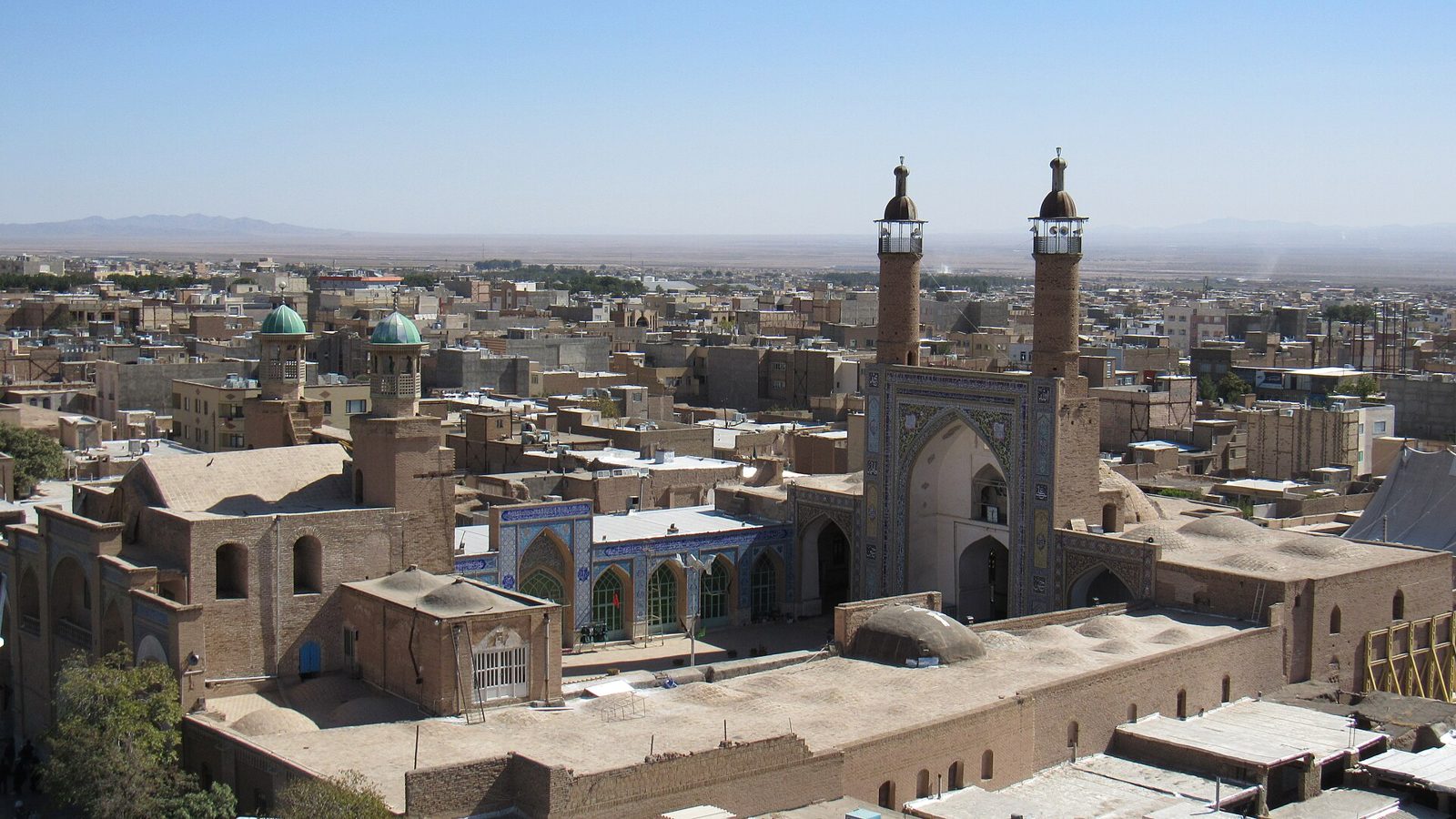
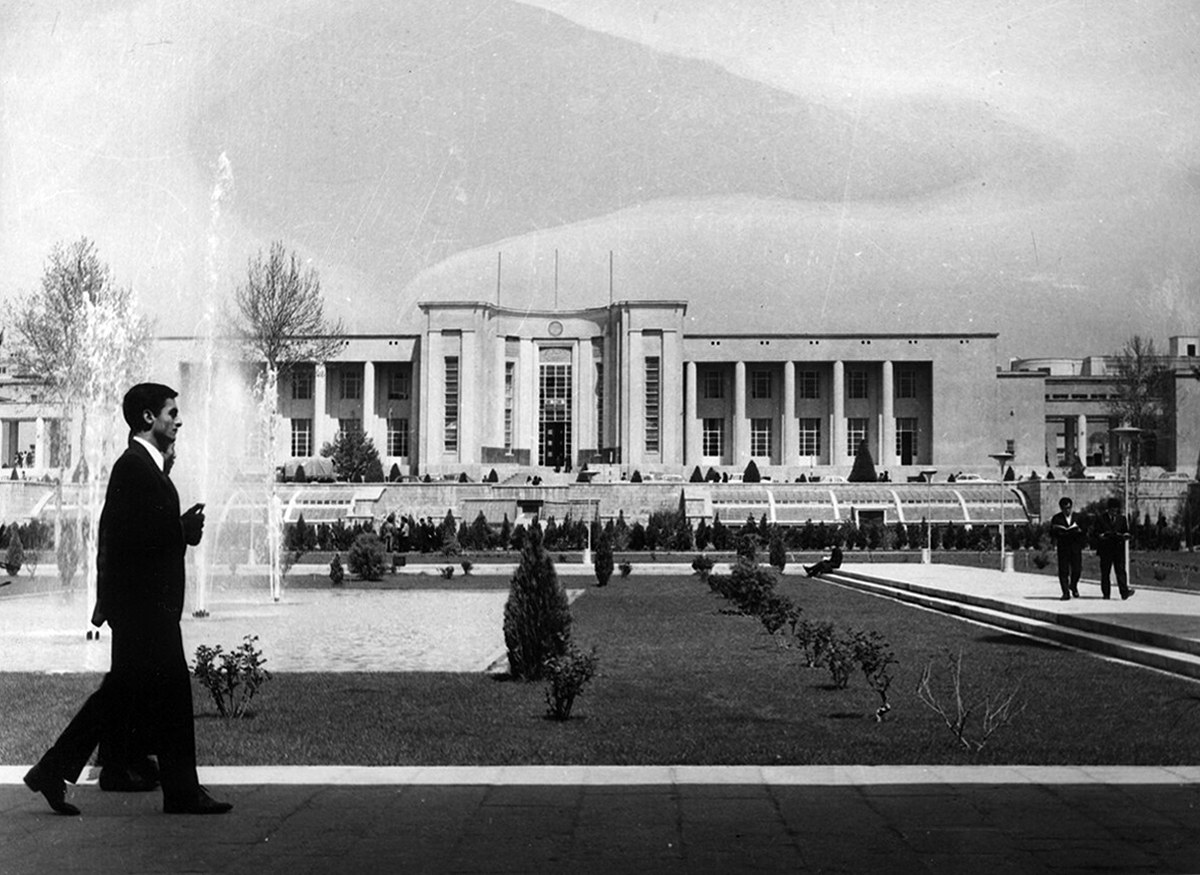
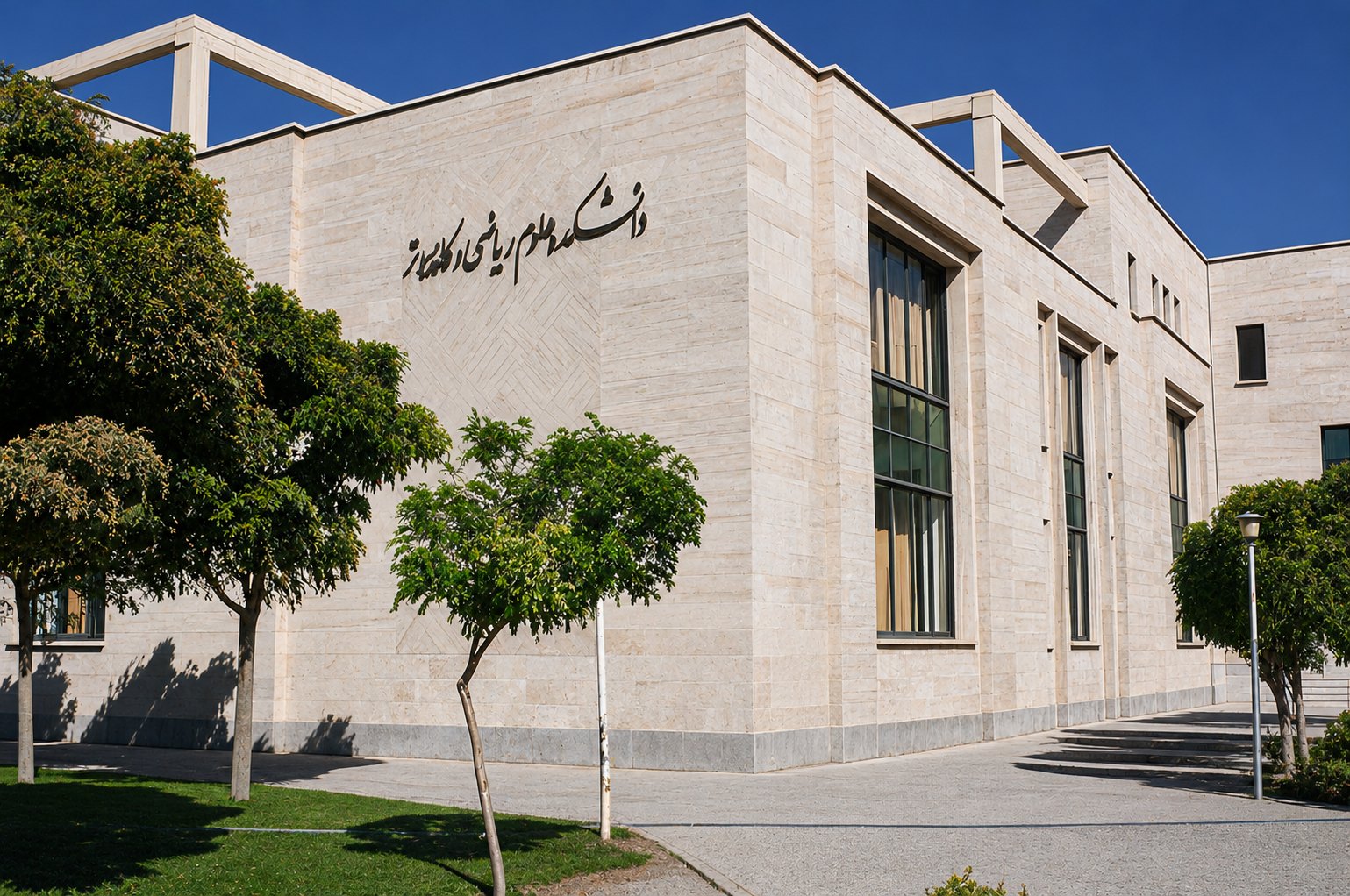
He was born in Sabzevar, a historic city in northeastern Iran with a long intellectual and cultural heritage. His interest in mathematics led him to Tehran University, where he earned a Bachelor of Science in 1966, and then to Pahlavi University in Shiraz, where he earned a Master of Science in 1969.
It was during his graduate studies in Shiraz that he met Effie, who would become his wife and lifelong companion. They married in 1970 and left Iran together for the United States.
Doctoral Studies in Michigan (1970–1977)
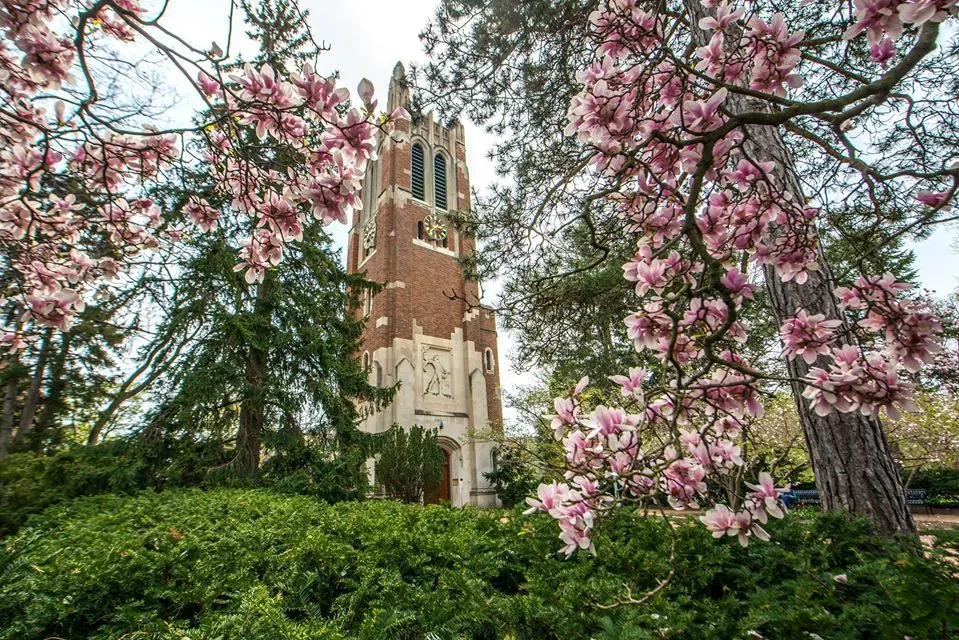
In East Lansing he pursued doctoral studies at Michigan State University and received his Ph.D. in 1973. His dissertation, Banach Space Valued Stationary Stochastic Processes and the Factorization of Nonnegative Operator Valued Functions on a Banach Space, set the direction of much of his later research.
His first papers appeared in 1974 in the Indiana University Mathematics Journal and the Proceedings of the American Mathematical Society, followed in 1975 by a paper in Sankhyā on the linear predictor of infinite-dimensional stationary processes. During these years Ghassem and Effie welcomed their daughters, Golie and Nazy.
Academic Leadership in Iran (1973–1984)
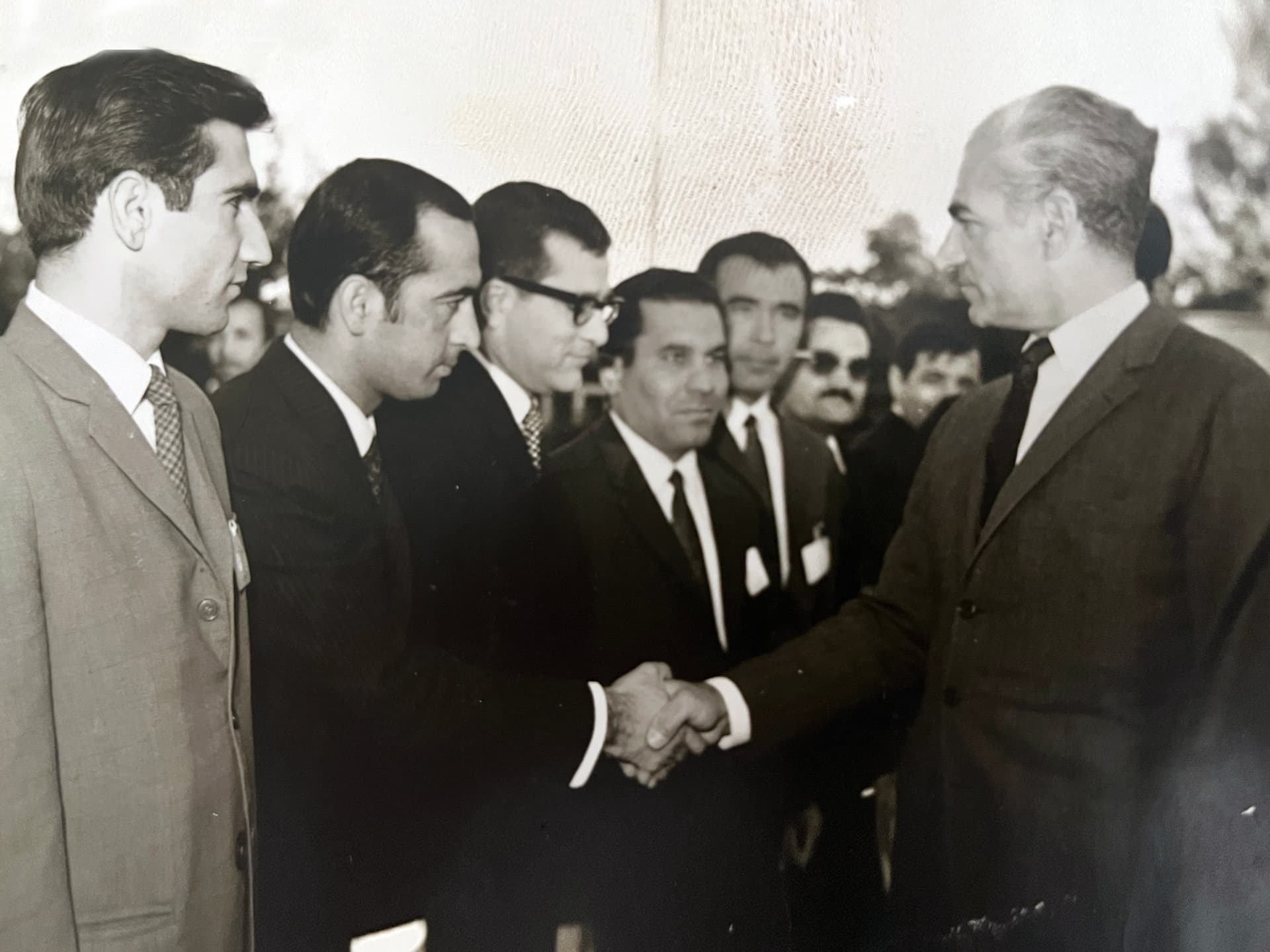
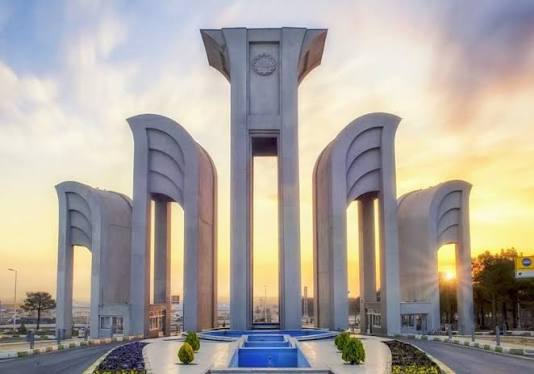
He began teaching as an assistant professor at Tehran University of Technology (1973–1976), held a visiting professorship at Michigan State (1976–1977), and then moved with his family to Isfahan. At Isfahan University of Technology he served as Chair of Mathematics, Dean of the College of Natural Sciences, Vice President for Research, and associate professor until 1984.
He kept publishing internationally and co-translated Thomas's Calculus with Analytic Geometry into Persian in 1981. In 1980 their son, Ali, was born in Shiraz.
Return to the United States (1984–1986)
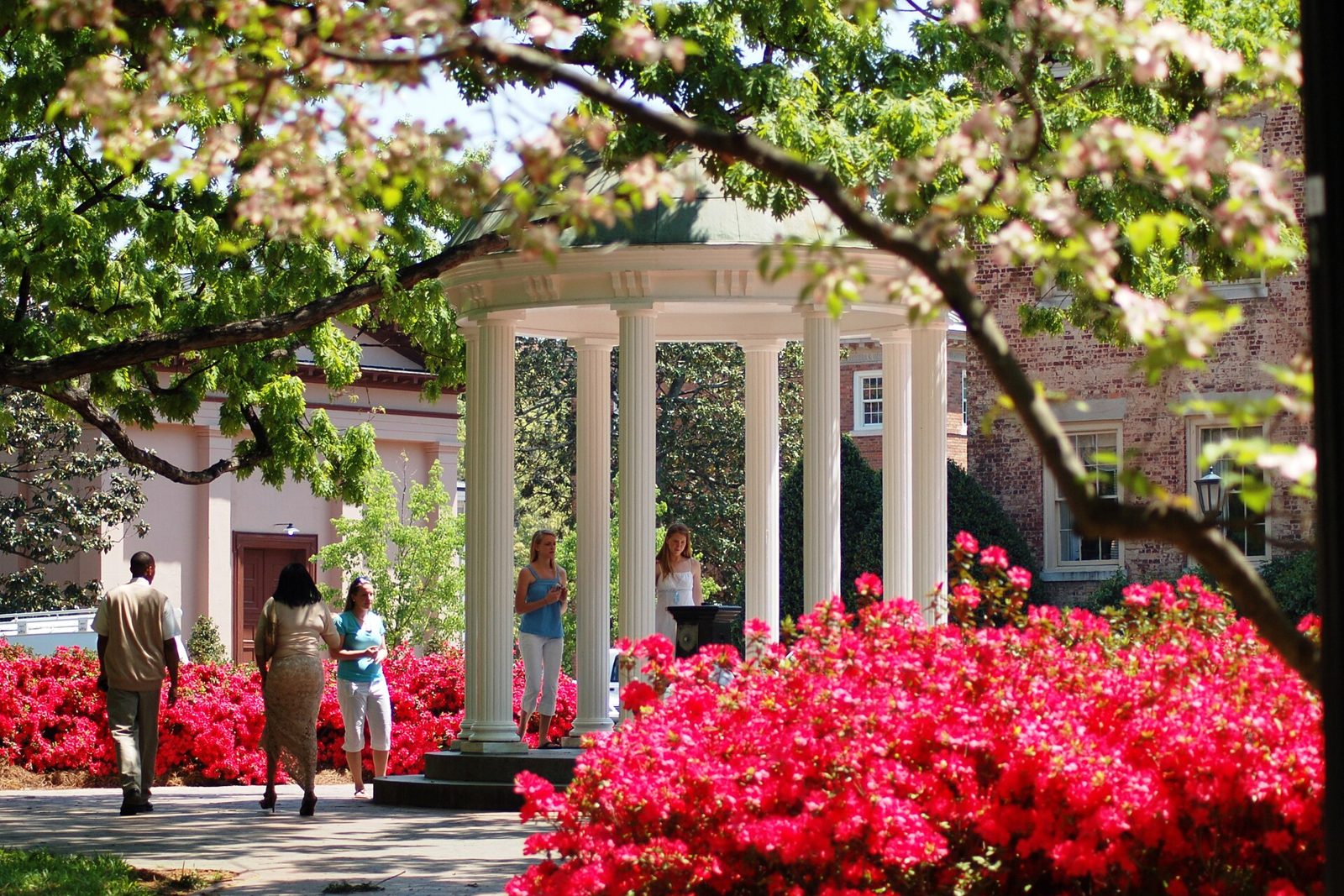
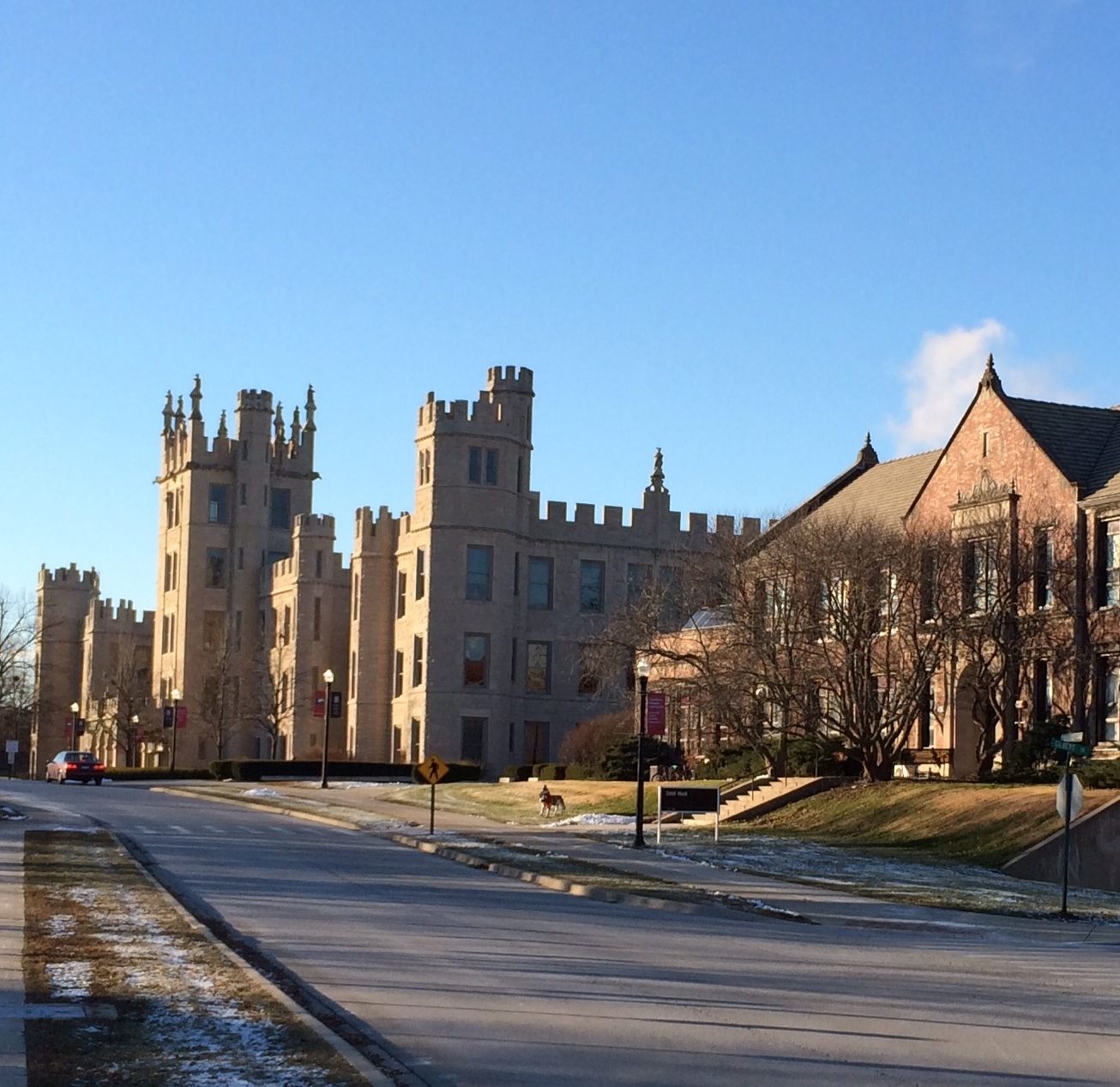
In 1984 the family returned to the United States. He was a research professor at the University of North Carolina at Chapel Hill (1984–1985) and a visiting professor at Northern Illinois University (1985–1986), working on prediction theory and the relationship between past and future in stochastic systems.
Three Decades at Hampton University (1986 onward)
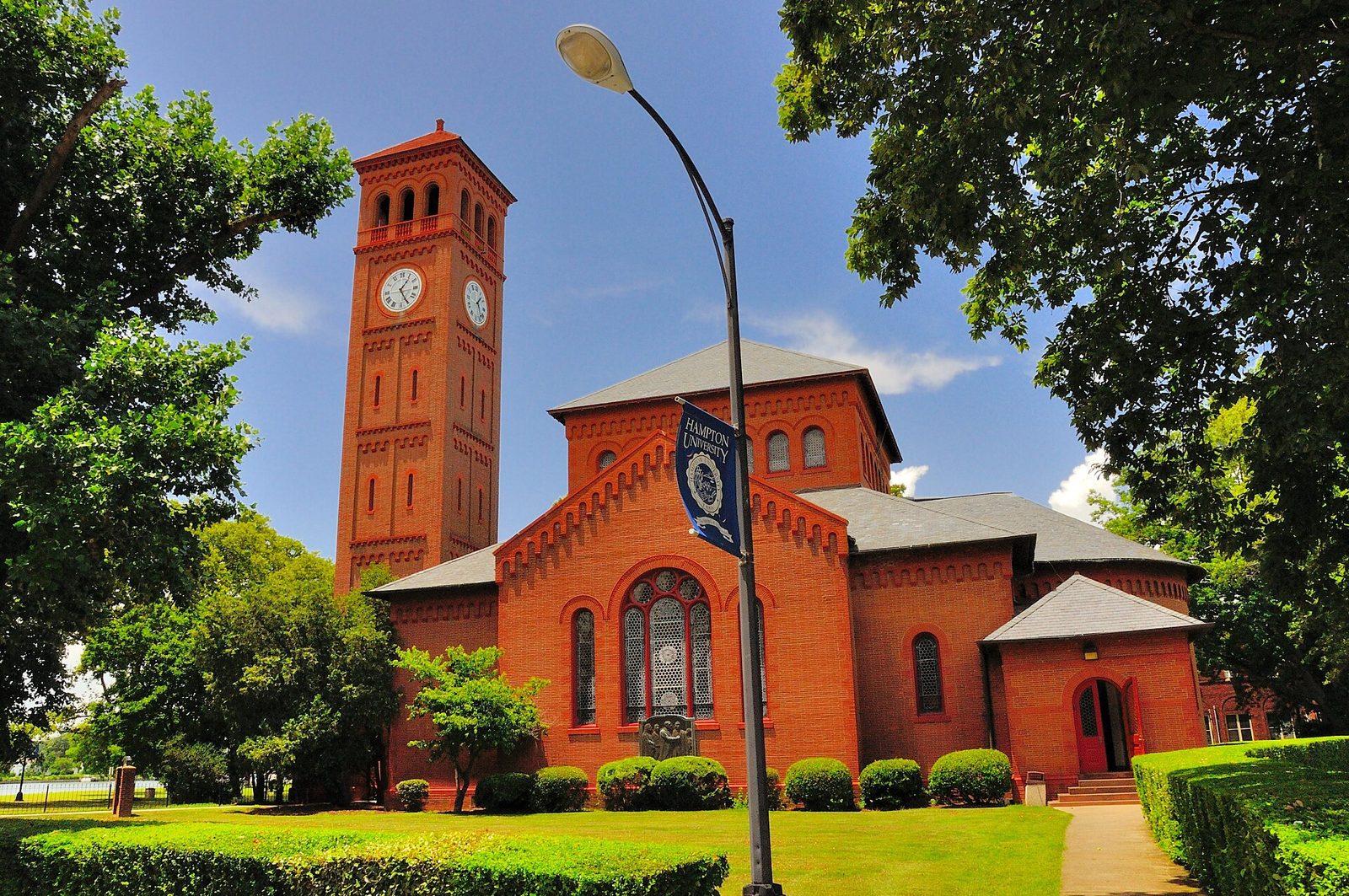
In 1986 he joined Hampton University in Virginia, the longest association of his career. There he studied harmonizable, periodically correlated, and correlation autoregressive processes, publishing in the Annals of Probability, SIAM journals, and other leading venues.
His work received support from NASA, the Navy, the Army, and the NSA, and found applications in aerospace acoustics such as helicopter noise. In 1992 he edited Nonstationary Stochastic Processes and Their Applications, and in 2007 he and Harry L. Hurd published Periodically Correlated Random Sequences: Spectral Theory and Practice with John Wiley & Sons.
Family and Legacy
His marriage to Effie accompanied every chapter of his journey — Iran, Michigan, Isfahan, and Virginia. Together they raised three children, Golie, Nazy, and Ali, and were blessed with four grandchildren, Isabella, Dariush, Camilla and Ariana. After decades in Hampton they settled in McLean, Virginia.